
Why Families in San Diego Choose Private-Pay Therapy for Their Children and Teens
In doing an online search for family, child, or teen therapy in Coastal San Diego, you will encounter a plethora of names and practices to sift through. It

In doing an online search for family, child, or teen therapy in Coastal San Diego, you will encounter a plethora of names and practices to sift through. It

1. Common reasons families seek therapy With increasing life and social demands on children, teenagers, and college students, stress, anxiety, depression, eating disorders, addiction, and other serious mental

1. Why In-Person Therapy Matters Since Covid, many families, schools, and mental health professionals have chosen to stay online for education and mental health support. Although convenient in

Introduction: Why Age Matters in Psychiatric Care Research has shown that life-span developmental changes can have a significant impact on sleep, mood, anxiety, energy, behaviors, motivation, hormones, neurotransmitters,

Introduction: What is Expressive Arts Therapy? Expressive Arts Therapy (EXA) is a creative, integrative therapeutic approach that engages multiple art forms, including visual arts, music, movement, creative writing,

ADHD is a complex neuropsychological condition that presents in three unique ways for adults, adolescents, and children. Attention Deficit Disorder can exhibit as primarily inattentive symptoms, or primarily

The mental health crisis among teens has reached alarming levels. According to the CDC, 22% of high school students reported having seriously considered suicide in the past

Aspiring Families is proud to highlight the exceptional services of Dr. Liyang Rajegowda, a seasoned educational psychologist fluent in both Mandarin and English.

In play therapy, the therapist meets the child emotionally and physically at where they are at. The therapist facilitates the child to have control over the choice, narrative, content, and style of play.

Every child possesses a unique set of abilities and challenges. Some of these are visible and others are hidden beneath the surface. As parents, it’s natural to be concerned about your child’s intellectual, cognitive, academic, behavioral, developmental, social, emotional, and daily adaptive life functioning.

Neurofeedback is widely used for conditions like ADHD, anxiety, depression, and more, neurofeedback has shown promising results. Yet one question looms large—how much does neurofeedback cost?

In recent years, our understanding of Attention Deficit Hyperactivity Disorder (ADHD) has evolved. As a result, research reveals a gender disparity in diagnoses, with men more commonly identified with ADHD and medicated more than women.

Attention-deficit-hyperactivity-disorder is one of the most overdiagnosed learning disabilities, owing to its wide envelope of generic symptoms, restlessness, hyperactivity, inattention, interrupting others, etc.

In this article, we’ll help parents and teachers to identify impulsivity in children, as well as address the probable causes and provide resources to better manage impulsive behavior.

In this post, I will discuss one of these alternative interventions, neurofeedback therapy.

Neurofeedback therapy is an outpatient, FDA, non-invasive, no-side effects, evidence based EEG training process that enhances our functioning and performance in multiple domains.

As the rates of depression and anxiety soar amongst teens and college students, the waitlists for psychiatrists and psychologists continue to grow.

Research demonstrates that pet therapy and equine assisted therapy and the human-animal bond can have a multitude of positive effects on mood, sleep, health, and behavior.

Colleges should also seriously consider obtaining releases to contact parents if they have concerns about students’ well-being. Early intervention is prevention, and family members can be a critical source of support, and can, perhaps, prevent fatal choices of depressed students.

It is important for mental health professionals to learn about new interventions and explore these options with their clients for integrative, holistic, and comprehensive mental health care.

Remote employees often feel pressured to match their workday to an office standard, and this can be next to impossible when you have a little one depending on you throughout the day.
Equine Assisted Therapy can help clients with depression, anxiety, ADHD, conduct disorders, addiction, and other mental health difficulties.

Let’s give all our children and teenagers plenty of hope, meaning, fun, creativity, and positive engagement and help them thrive through the depression and anxiety of online loneliness, social distancing, and school closures.

Grieving the pregnancy loss of a child is complicated, especially for siblings.

Perfectionism in Kids and Teens: Dr. Naecker provides expert research and tips on healthy achievement.

The recent school gun shootings in Florida and Maryland continue to remind us of the critical need to take action to process the trauma with our children and to protect our children in schools.

In this article, we’ll outline how to prepare your child for divorce by discussing the ways in which children cope, outlining warning signs, and providing useful resources for you to learn more.
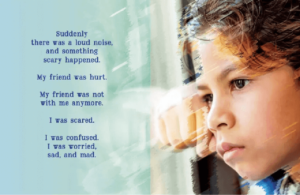
Today is the fourth anniversary of the Sandy Hook School shooting. It is with much sadness that we remember this day and event, and we offer our heartfelt sympathies to the families and the community who lost their loved children and family members.

It is an unfortunate truth that gifted children often get inaccurately diagnosed with conditions such as ADHD, Obsessive Compulsive Disorder, Oppositional Defiant Disorder, and mood disorders.

I recently reviewed a new and helpful book by Erin Mantz, titled Hey, Who’s In My House? Stepkids Speak Out.

Screen time has also become the primary source of information and entertainment for children.

Are children really thriving when their primary focus is achievement and performance? Is it healthy for us to be pushing our children to measure themselves primarily through wealth and educational status?

Based on the statistics, we realize that many children in the U.S. experience divorce at least once, if not twice, in their lifetime.